





Are The CFA Institute Question Banks E ...
If you are preparing for the CFA® exams, you might be wondering: Are... Read More
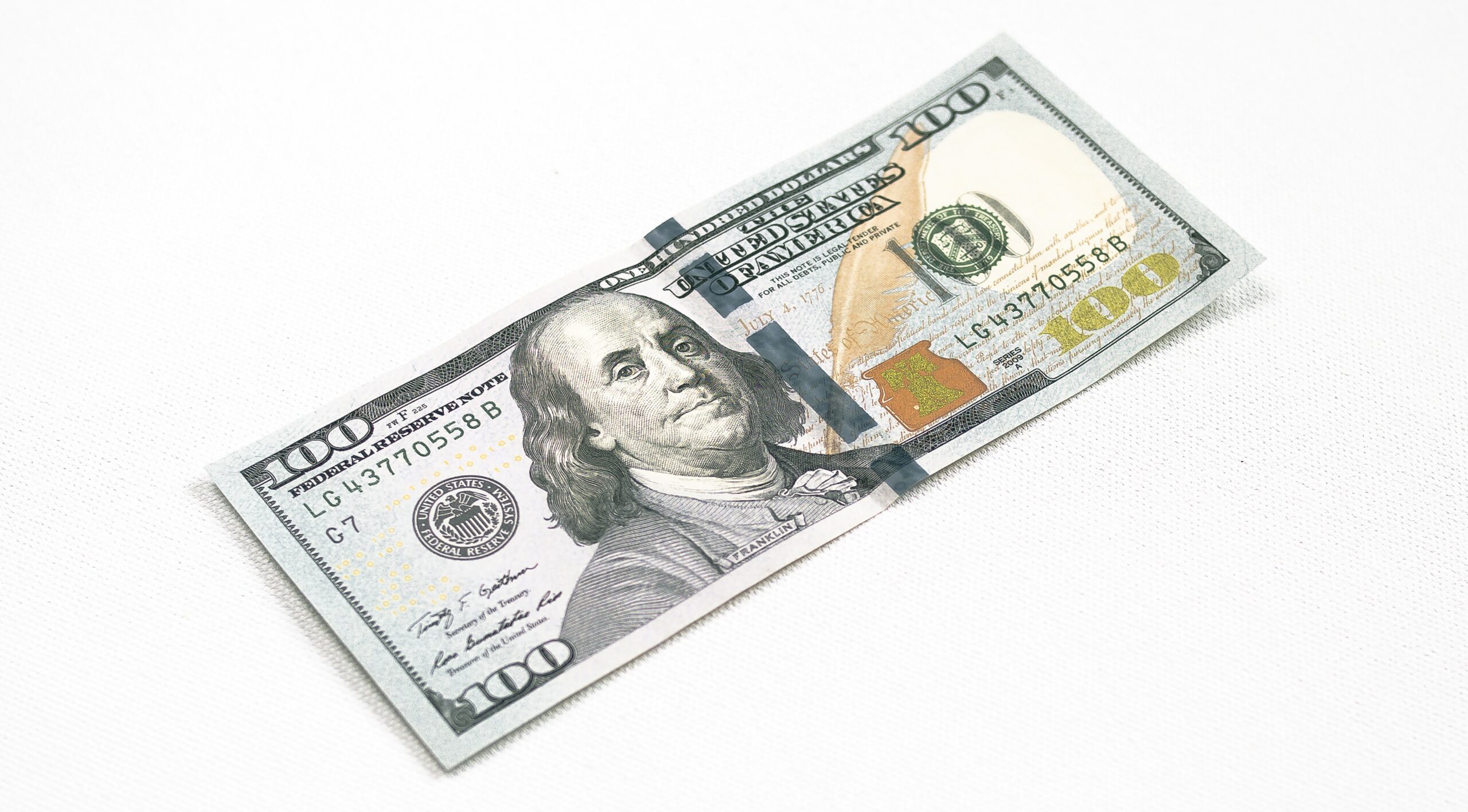
You have probably seen headlines talking about “de-dollarization” and wondering what all the fuss is about. Maybe you have heard that countries like China and Russia are trying to ditch the U.S. dollar. It sounds like a big deal, right?
Well, it is a big topic, but the story is more interesting and less dramatic than you might think. De-dollarization is a term that gets thrown around a lot, especially when geopolitical tensions rise or when groups like the BRICS nations make announcements.
Here is what you need to know as someone who wants to understand how the global economy really works. While some countries are indeed trying to reduce their reliance on the dollar, the U.S. dollar is still the king of global finance. The real question is not whether the dollar is about to collapse, but whether we are slowly moving toward a world with more than one major currency. Let us break it down together in plain English.
Let us start with the basics. What is de-dollarization exactly? Simply put, it is the process of reducing how much the world relies on the U.S. dollar. Think of it as countries trying to put less of their eggs in one basket.
This shows up in a few different ways:
The key thing to understand is that de-dollarization explained simply means diversification, not total abandonment. No one is throwing the dollar in the trash. They are just trying to have options.
De-Dollarization vs. the End of Dollar Dominance
These two things are not the same. De-dollarization is a slow, gradual trend. The end of dollar dominance would mean another currency suddenly taking over. As you will see, that is not happening anytime soon.
To understand why people are talking about the future of the US dollar, you first need to know how it got to the top in the first place. This did not happen by accident.
After World War II, world leaders met in a place called Bretton Woods. They set up a system where the dollar was backed by gold and other currencies were tied to the dollar. Even after the United States left the gold standard in 1971, the dollar stayed on top for several reasons.
The dollar became the currency for pricing oil. It became the go-to currency for international trade. If a company in Japan wants to buy oil from Saudi Arabia, they usually pay in dollars. This created a constant global demand for the greenback.
Another reason is the sheer size and trust in U.S. financial markets. The market for U.S. Treasury bonds is the deepest and most liquid in the world. If a country earns dollars, it can easily invest them in safe U.S. government debt. There is no better place to park large amounts of money.
This status is often called the dollar’s “exorbitant privilege.” It means the U.S. can borrow money more cheaply than other countries. It also gives the U.S. enormous power, including the ability to impose financial sanctions.
Data from the Federal Reserve and the Bank for International Settlements shows just how entrenched the dollar is. It is involved in about 89% of all foreign exchange transactions. And there is roughly $14 trillion in dollar-denominated credit held outside the United States. That is a massive number and it shows you why the dollar is not going anywhere fast.
If the dollar is so powerful, why is de-dollarization happening right now? You might be surprised to learn that it is not really about economics. It is mostly about politics and geopolitics.
The big turning point for many countries was when the United States and its allies imposed sweeping sanctions on Russia after it invaded Ukraine. They froze hundreds of billions of dollars in Russian assets and cut Russian banks off from the SWIFT payment system.
This sent a clear message to other countries: if you get on America’s bad side, your dollars can be taken away or frozen. That is a scary thought for any nation. Consequently, countries like China, India and others started thinking hard about how to protect themselves.
Other reasons include:
As financial experts at State Street have noted, the weaponization of the dollar, the declining reserve share and the growth of alternative payment systems have all made the de-dollarization and geopolitics connection much stronger in recent years.
Sanctions, SWIFT and Financial Sovereignty
The ability to cut a country off from the dollar system is a powerful tool. It has pushed nations to create their own payment systems and settle more trade in local currencies. For them, this is about financial sovereignty; having control over their own money.
Why Emerging Economies Want More Currency Flexibility
If you are a country like India or Brazil, you do not want your economy to be rocked every time the U.S. Federal Reserve raises interest rates. Holding fewer dollars and doing more trade in your own currency gives you more breathing room.
Now, let’s shift focus to the big question: is the US dollar losing dominance? Let us look at the numbers across four key areas. The data tells a story that is more detailed than the headlines.
1. FX Reserves
The IMF’s COFER data shows that the dollar’s share of global foreign exchange reserves was about 57% in 2025Q3. That is down from over 70% twenty years ago. So yes, it has declined. But it is still far ahead of the euro, which is in second place at around 20%. No other currency even comes close.
2. FX Trading
This is where the dollar is still overwhelmingly dominant. The dollar is involved in about 89% of all foreign exchange transactions. This means when a Korean company wants to pay a Brazilian supplier, they often have to go through dollars first. It is the world’s vehicle currency and that is not changing.
3. International Credit
There is roughly $14 trillion in dollar credit held outside the United States. That means companies, governments and banks around the world have taken out loans or issued bonds in dollars. This is a huge part of the global financial system that depends on the dollar.
4. Payment Systems
The SWIFT system still processes the vast majority of cross-border payments. In July 2025, the Chinese renminbi had a share of just 2.88% of global payments. The dollar consistently accounts for over 40%. Talk of alternative systems is real but they are still tiny compared to the existing dollar-based infrastructure.
Reserves: The Dollar Is Lower, But Still Dominant
The decline in the dollar’s reserve share is a real trend. Central banks are diversifying. But a 57% market share in a world with 180-plus currencies is still a sign of an extremely dominant currency, not a dying one.
Payments and FX Markets Still Favor the Dollar
When it comes to actually moving money around the world, the dollar is still the undisputed king. The data on payments and FX trading shows that the US dollar reserve currency status is deeply embedded in the plumbing of the global economy.
Dollar Credit and Global Funding Still Matter More Than Headlines
The $14 trillion in offshore dollar credit is a number that does not get enough attention. It shows that the dollar is not just a reserve asset; it is the world’s primary funding currency. This is a deep market that no alternative can replicate overnight.
If the world wanted to move away from the dollar, what would take its place? Let us look at the obvious candidates and why none of them are ready to take over.
The Euro
The euro is the second most used currency in the world. It is backed by strong European institutions and stable democracies. But it has a major weakness: the Eurozone has a shared currency but not a shared treasury. When a crisis hits, it is not clear who is in charge. That makes it a less reliable safe haven than the dollar.
The Chinese Renminbi
China’s economy is huge and the renminbi is being used more in trade. But it faces serious constraints. The currency is not freely convertible. China has strict capital controls. And many investors worry about legal protections and transparency. For a currency to be a true global reserve currency, you need to trust that you can get your money in and out freely. The renminbi does not offer that yet.
Gold
Central banks have been buying gold as a way to diversify away from dollars. Gold is a good store of value, but it is not practical for daily trade or for issuing bonds. You cannot pay for a shipment of semiconductors with a gold bar.
Digital Currencies and CBDCs
Central bank digital currencies are interesting for the long term. Some countries are experimenting with them. But they are not a near-term substitute for the dollar’s role in global reserves and trade.
State Street, a major financial institution, has concluded that no other currency has the attributes needed to replace the dollar. A multipolar system without one dominant currency would likely be more costly and unstable.
Can the Euro Replace the Dollar?
Not in its current form. The euro is a strong number two, but it lacks the unified fiscal backing that makes the dollar so reliable. Until Europe becomes a true fiscal union, the euro will not be a true rival.
Why the Renminbi Still Faces Big Constraints
For a currency to be a true reserve asset, it needs to be freely tradable and its debt markets need to be open and trusted. The renminbi does not meet those standards. That is why the US dollar remains dominant for now.
Could the World Move to a Multipolar Currency System Instead?
This is actually the most likely scenario. We may end up with a world where the dollar, euro, and renminbi all play significant roles, along with gold. But as State Street points out, that system would be less stable and more expensive to run than the current dollar-based system.
So, what is keeping the dollar on top? It comes down to a few things that are very hard to replicate.
The biggest factor is network effects. Think about it like a language. Everyone speaks English in international business because everyone else speaks English. Switching to a new language would be expensive and confusing. The dollar is the same way. So many contracts, payment systems and financial markets are built around the dollar that switching is simply too costly.
Other key advantages:
These advantages create a self-reinforcing cycle. The more people use the dollar, the more useful it becomes. That is dollar dominance explained in a nutshell.
Network Effects, Liquidity and the Cost of Switching
Switching away from the dollar would require rewriting millions of contracts, retooling payment systems and convincing everyone to trust a new currency. The cost is enormous, which is why any shift will be very slow.
Even if the dollar is not going away, a slow trend toward de-dollarization impact would still matter. Here is what could happen.
Trade, Transaction Costs and Currency Fragmentation
A fragmented currency system would add friction to global trade. Businesses would have to manage exposure to more currencies, which would increase costs and complexity.
Could U.S. Borrowing Costs Rise Over Time?
This is one of the biggest long-term risks. The dollar’s reserve status creates constant demand for U.S. government debt. If that demand fades, the U.S. might face a higher cost to finance its deficit.
What a More Multipolar Currency System Might Look Like
A multipolar system would likely mean the dollar remains the top currency, but with the euro and renminbi playing larger roles. Central banks would hold more diversified reserves. Trade would be settled in a mix of currencies depending on who is trading.
If you are studying for the CFA exam, de-dollarization CFA topics connect directly to several parts of the curriculum. This is not just current events; it is a real-world application of what you are learning.
CFA Economics: Reserve Currencies and Global Imbalances
CFA candidates learn that the world’s reliance on the dollar is linked to global trade imbalances. Any shift in the reserve currency system would have huge implications for the macroeconomic framework you study.
CFA FX: How Currency Demand Shapes Exchange Rates
A currency’s value is driven by demand. That demand comes from trade, investment and central bank reserves. De-dollarization represents a potential long-term shift in the sources of demand for the dollar versus other currencies.
Why This Topic Matters for International Trade and Macroeconomics
This topic ties together macroeconomics and trade in a way that is central to the CFA program. It is a real-world case study of how policy, geopolitics and market structure interact.
For FRM candidates, this topic is all about risk. Here is how it connects to the concepts you are studying.
During times of stress, the world still runs to the dollar. Recent events in the Middle East triggered a surge in dollar demand, proving that even as we talk about de-dollarization, the system still depends on dollar liquidity when things get rocky.
Dollar Liquidity and Funding Stress
FRM candidates learn about the risk of a “dollar shortage.” If de-dollarization fragments dollar funding markets, the risk of periodic liquidity crises could increase.
Currency Risk and Cross-Border Exposure
For any institution with cross-border assets or liabilities, currency risk is a primary concern. A move toward a multipolar system would increase the complexity of managing that risk.
Systemic Risk in a More Fragmented Currency Order
A system with multiple major currencies could be more resilient, but it could also be more prone to contagion if one of those systems experiences a crisis.
After looking at the drivers, the data and the structural advantages, where does that leave us? Is this a long-term trend or a turning point?
The honest answer is that de-dollarization is a real trend. Central banks are diversifying their reserves. Countries are signing bilateral trade deals in local currencies. Geopolitical tensions are pushing nations to build alternative financial infrastructure.
But it is not a turning point. The dollar’s share of reserves, while lower, is still more than double that of its nearest competitor. Its dominance in FX trading, international credit and payments remains overwhelming. The network effects that made the dollar the world’s currency are still firmly in place.
The more realistic medium-term outcome is a system with less concentration, not a system with a sudden displacement of the dollar. As State Street concludes, the dollar’s hegemonic role is likely to remain intact for the foreseeable future, even as geopolitical and economic pressures continue to challenge it.
Let us wrap up with the most important points to remember.
What is de-dollarization in simple terms?
De-dollarization is the process of countries and institutions reducing their reliance on the U.S. dollar for trade, reserves and financial transactions. It is about diversification, not elimination.
What would happen if the dollar lost reserve currency status?
If the dollar lost its reserve currency status, U.S. borrowing costs would likely rise, the U.S. would have less geopolitical leverage and global transaction costs would probably increase. However, experts agree this is not a near-term scenario.
Why is de-dollarization happening?
De-dollarization is happening largely because of geopolitics. The use of sanctions against Russia made many countries nervous about relying too heavily on a currency controlled by the United States. Other factors include the rise of China and the desire for more financial independence.
How does de-dollarization affect the global economy?
A slow move away from the dollar could lead to more currency volatility, higher transaction costs and a more fragmented financial system. It could also reduce U.S. influence over global finance.
What is the future of the US dollar?
The future of the US dollar is likely one of continued dominance but with more competition. It will probably remain the world’s primary reserve and transaction currency for the foreseeable future, but its share may continue to decline slowly over time.
How does de-dollarization relate to the CFA and FRM curricula?
For CFA candidates, de-dollarization ties into economics, FX markets and international trade. For FRM candidates, it connects to currency risk, liquidity risk and systemic risk. It is a real-world example of the concepts you study in both programs.
Access CFA and FRM practice questions, economics lessons, mock exams, and structured study resources designed to help you understand global macro trends, currency markets, and international finance concepts with confidence.
Offered by AnalystPrep






If you are preparing for the CFA® exams, you might be wondering: Are... Read More

If you’ve started thinking about taking the CFA exams, you probably already know... Read More

Get Ahead on Your Study Prep This Cyber Monday! Save 35% on all CFA® and FRM® Unlimited Packages. Use code CYBERMONDAY at checkout. Offer ends Dec 1st.