


CFA® vs CPA and Which One You Should ...
Choosing between the CFA vs CPA paths is one of the most important... Read More

You have your BCom. That is a solid achievement. But if you are being honest with yourself, you have probably started to notice something unsettling. Almost everyone around you has the same qualifications.
So where does that leave you?
A Bachelor of Commerce gives you a strong foundation. You understand the basics of finance, accounting and economics. You can speak the language of business. But when it comes to standing out in the job market, that foundation alone is rarely enough.
This is exactly why so many students start searching for courses after BCom. They are not just looking for another qualification. They are looking for direction.
Here is the reality you need to accept early:
Your degree is common. Your specialization makes you different.
And once you understand that, your thinking shifts. You stop asking “What next?” and start asking “What exactly should I specialize in?”
In this article, we are going to walk through three powerful paths you can take after BCom. These are not random options. They are deliberate, high-impact choices that shape careers in modern finance.
We will break down CFA, FRM and SCR in a way that helps you think clearly and decide confidently.
Let’s talk about what has changed.
Years ago, having a degree was enough to secure a decent job. Today, that is no longer the case. The number of commerce graduates has increased significantly and employers have adapted.
They are no longer impressed by degrees alone. They expect more.
If you are exploring career options after BCom, you need to understand that the job market now rewards depth, not just breadth.
Think about it this way. Two candidates walk into an interview. Both have a BCom. One has also completed a recognized finance certification and built practical skills. The other has not.
Who do you think gets the offer?
This is where the idea of a specialization economy comes in. Employers are hiring people who can do specific things well. Not just people who have studied general concepts.
That is why professional courses after BCom have become so important.
A simple way to think about it is this:
Degree + Certification = Employability
When you add a targeted certification to your BCom, you are telling employers that you are not just educated. You are prepared.
Instead of overwhelming you with a long list of the best courses after BCom, let’s narrow it down to something practical.
In finance, most careers fall into three broad paths. Once you understand these, your decision becomes much easier.
1. Investment Path → CFA
If you are the kind of person who follows stock markets, wonders why companies are valued the way they are or enjoys analyzing financial performance, this path might feel natural to you.
The CFA program is widely recognized across the world. It is often associated with high-level finance roles and is one of the most respected global finance certifications.
With CFA, you are building an investment career path after BCom. You are learning how to evaluate investments, manage portfolios and understand how capital flows through markets.
Typical roles include:
This path is demanding. It requires discipline and consistency. But if you stay the course, the long-term rewards can be significant.
2. Risk Path → FRM
Now let’s look at a different type of thinker.
Maybe you are less interested in picking stocks and more interested in understanding what could go wrong in financial systems. Maybe you enjoy working with data, probabilities and scenarios.
That is where FRM comes in.
FRM is built for those pursuing a risk management career after BCom. It focuses on identifying, measuring and managing risk in financial institutions.
You will get into areas such as:
Career opportunities include:
If you have ever asked yourself CFA vs FRM after BCom question, here is a simple way to think about it.
CFA is about growing wealth.
FRM is about protecting it.
Both are valuable. The difference lies in what kind of work you enjoy doing every day.
3. ESG / Future Finance → SCR
There is a third path that many students overlook, often because it is relatively new.
Finance is changing. Sustainability is no longer just a buzzword. It is becoming a core part of how organizations make decisions.
This is where SCR, or Sustainability and Climate Risk, comes into play.
If you are exploring ESG certification finance options, this is one of the most relevant ones available today.
SCR focuses on:
Career roles include:
What makes this path interesting is timing.
It is still developing. That means fewer professionals in the space and growing demand from organizations.
If you are thinking about finance certifications after graduation that can position you for the future, SCR deserves attention.
Let’s simplify everything we have discussed so far.
If you want to work in high finance and investment roles, choose CFA.
If you want stability and a strong position in banking and risk, choose FRM.
If you want to enter a future-focused niche with growing demand, choose SCR.
This is not about which is better in general. It is about which is better for you.
Now comes the part that requires honesty.
There is no universal answer to which course is best after BCom for finance. The right choice depends on your interests and your goals.
Based on Interest
Start with what genuinely interests you.
Do you enjoy analyzing companies and tracking markets? CFA is a natural fit.
Do you like working with numbers, models and risk scenarios? FRM makes more sense.
Are you curious about sustainability and the future of finance? SCR could be the right move.
This might sound simple but it is often ignored. And when it is ignored, people end up switching paths halfway through.
Based on Salary Potential
Let’s address another important factor.
If you are searching for courses after BCom with high salary, you are not alone. Everyone wants a return on their effort.
Here is how these paths generally compare:
CFA tends to offer the highest upside, especially in investment banking and asset management.
FRM offers strong and stable earning potential, particularly in banking and financial institutions.
SCR is still emerging but salaries are growing as demand for ESG expertise increases.
Across all three, one thing remains consistent.
Well-chosen finance certifications after graduation open doors to high-paying opportunities. But only if they align with your career direction.
If you spend time talking to students or browsing forums, you will notice a pattern.
Confusion.
People are constantly debating:
The problem is not a lack of options. The problem is too many options.
This leads to hesitation. And hesitation leads to delay.
Here is something you need to keep in mind:
Most students do not fail because it is hard. They fail because they choose wrong.
They follow trends instead of thinking strategically. They chase what is popular instead of what is suitable.
If you are serious about building a career after BCom in finance, you need to avoid this trap.
Therefore, what should you do instead?
Let’s make it practical.
Step 1: Pick a Direction
Choose one path. Investment, risk or ESG.
You do not need to have everything figured out. But you do need a direction.
Clarity reduces confusion. It also makes your efforts more focused.
Step 2: Start Early
Timing matters more than most people realize.
If you begin your certification while you are still in BCom or immediately after, you gain an advantage.
You build momentum early. And that momentum compounds.
Step 3: Build Skills Alongside
Certifications alone are not enough.
Employers are looking for applied skills.
You should be working on:
When you combine certification with skills, you become far more employable.
Some mistakes are common but that does not make them harmless.
Avoid these if you can:
Choosing an MBA without understanding your direction
Following what everyone else is doing
Ignoring practical skill development
Waiting too long before specializing
Every one of these decisions can slow you down significantly.
Let’s bring everything together.
Your BCom is important. It gives you access to the world of finance. But it does not define your future.
What defines your future is what you do next.
Your specialization is what sets you apart.
Your certification is what gives you leverage.
If you are serious about building a strong investment career path after BCom or a solid risk management career path, you need to act with intention.
And remember this:
The earlier you specialize, the faster you stand out.
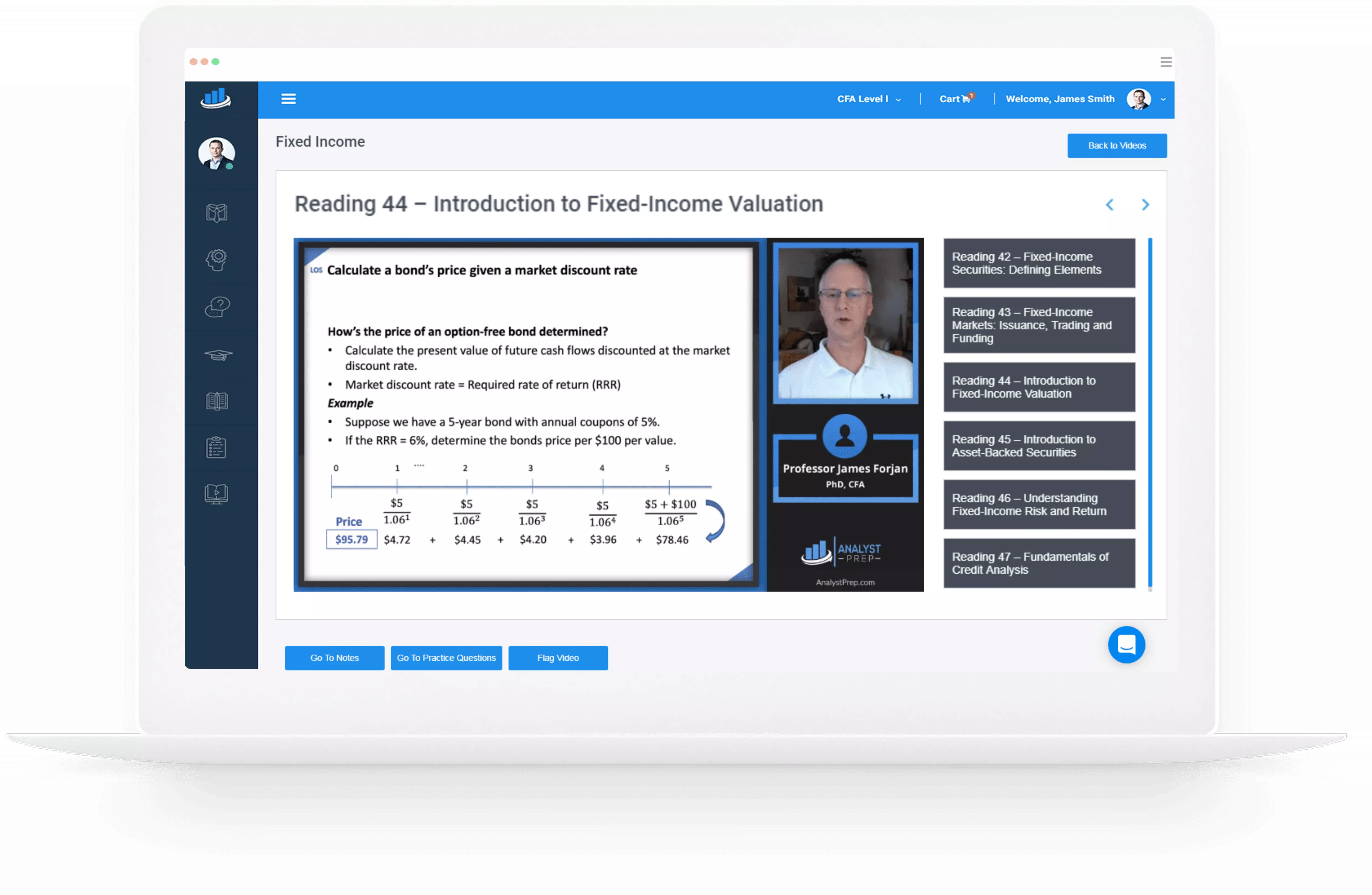
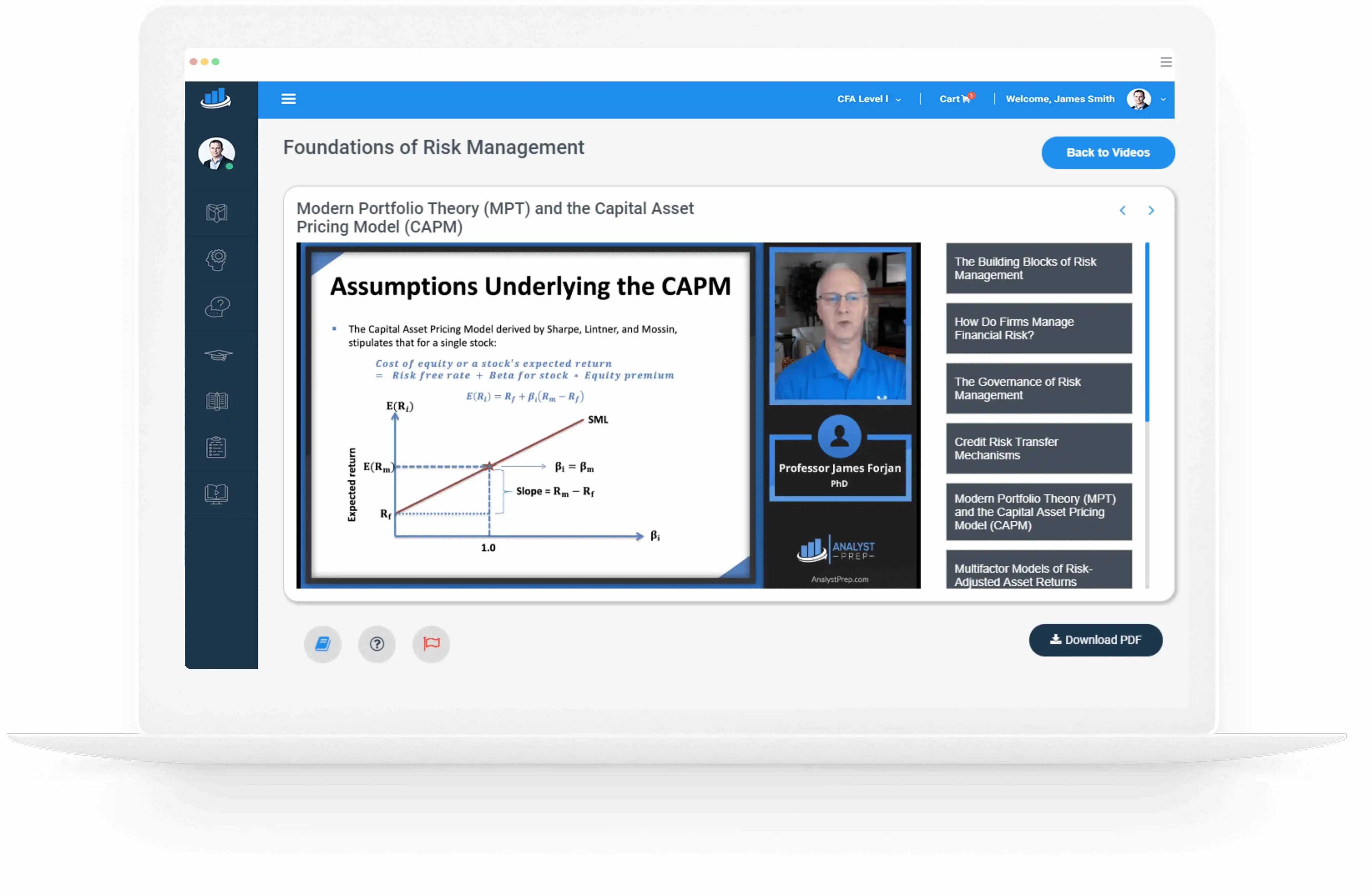
Explore how CFA and FRM prep can accelerate your finance career with a free trial.
Choosing the right certification is only the first step. How you prepare determines whether you actually succeed.
With AnalystPrep, you get:
If you are going to invest your time and effort into a certification, make sure your preparation matches that ambition.
Start early. Stay consistent. And build a path that actually leads somewhere.
Let’s tackle some of the most common and important questions students ask when thinking about courses after BCom. If you have been feeling unsure, this section should give you the clarity you need.
What to do after BCom?
This is usually the first question and it often comes with a lot of pressure.
The honest answer is that there is no single “correct” next step. But there is a strategic one.
After BCom, you should focus on three things:
First, choose a direction within finance. This could be investment, risk management or ESG and sustainability. Without this clarity, every option will feel equally confusing.
Second, pursue a relevant professional certification. This is where you move from general knowledge to specialized expertise. Certifications like CFA, FRM or SCR are not just academic. They are directly aligned with industry roles.
Third, build practical skills alongside your certification. This includes Excel, financial modelling and in some cases Python. These are the tools that employers expect you to actually use.
If you combine direction, certification and skills, you move from being just another graduate to someone with a clear value proposition.
What are the high-salary courses after BCom?
If your goal is to maximize earning potential, you need to think in terms of career tracks, not just courses.
Among the high-salary courses after BCom, three stand out consistently:
CFA is often associated with the highest earning potential. It opens doors to investment banking, asset management and portfolio management. These roles can be extremely lucrative, especially as you gain experience.
FRM offers strong and stable compensation. Risk professionals are in demand across banks, financial institutions, and regulatory bodies. While the upside may not always match investment banking, the career stability is a major advantage.
SCR is emerging as a high-growth option. As companies integrate sustainability into decision-making, professionals with ESG expertise are becoming valuable. Salaries are rising as demand increases.
The key takeaway is simple. A high salary does not come from the course alone. It comes from choosing a path where demand, skill and expertise intersect.
Is CFA after BCom a good option?
Yes, pursuing CFA after BCom is one of the most popular and effective paths if you are interested in finance.
The CFA program is designed to build deep expertise in investment analysis, portfolio management and financial decision-making. It is recognized globally and respected by employers across the finance industry.
Starting CFA after BCom has a strategic advantage. You are already familiar with many foundational concepts, so you can build on that knowledge rather than starting from scratch.
However, it is important to understand what you are signing up for. CFA requires discipline, consistency and a long-term commitment. It is not a quick certification.
If your goal is to enter investment banking, equity research or asset management, then CFA is not just a good option. It is one of the most direct and credible routes available.
What is SCR certification in finance?
SCR stands for Sustainability and Climate Risk certification.
It is designed for professionals who want to understand how environmental and climate-related risks affect financial systems and investment decisions.
In simple terms, SCR sits at the intersection of finance and sustainability.
The SCR certification in finance covers areas such as:
What makes SCR particularly relevant today is the shift in how companies and investors think about risk. Climate risk is no longer optional to consider. It is becoming central to financial decision-making.
If you are interested in future-oriented finance roles, SCR can position you in a niche that is growing rapidly.
Which is better CFA or FRM?
This is one of the most debated questions and the answer depends entirely on your career goals.
If you are aiming for roles in investment banking, equity research or portfolio management, CFA is generally the better choice. It focuses on analyzing investments and generating returns.
If you are more interested in understanding and managing financial risk, FRM is the better option. It is highly specialized and focuses on protecting institutions from potential losses.
So instead of asking which is better CFA or FRM, ask yourself:
Do you want to build and grow investments? CFA is the better fit.
Do you want to analyze and manage risk? FRM is the better fit.
Neither is universally better. They are simply different tools for different career paths.
How to build a career after BCom in finance?
Building a career after BCom in finance requires more than just choosing a course. It requires a structured approach.
Start by identifying your area of interest within finance. This could be investment, risk, corporate finance or ESG.
Next, choose a certification that aligns with that interest. This gives your career direction and credibility.
Then, focus on skill development. Learn tools that are actually used in the industry. Excel is essential. Financial modelling is highly valuable. Python can give you an edge, especially in risk and data-driven roles.
At the same time, look for internships or entry-level roles where you can apply what you are learning. Practical exposure is just as important as theoretical knowledge.
Finally, stay consistent. Careers in finance are built over time. The combination of certification, skills, and experience is what creates long-term success.
What are the best certifications after BCom for investment banking?
If your goal is investment banking, you need certifications that align with valuation, financial analysis and deal-making.
Among the most relevant certifications after BCom for investment banking, CFA stands out as the strongest option. It provides deep knowledge in valuation, financial reporting and portfolio management, all of which are critical in investment roles.
In addition to CFA, practical skills like financial modelling and advanced Excel are essential. Many successful candidates combine CFA with hands-on modelling experience.
While other certifications exist, CFA remains the most recognized and respected in the investment banking space.
Is SCR a good ESG certification in finance?
Yes, SCR is one of the most relevant options if you are looking at ESG certification in finance.
As sustainability becomes a core consideration in finance, companies are actively looking for professionals who understand ESG risks and opportunities.
SCR is specifically designed to address this need. It focuses on climate risk and its financial implications, making it highly practical and aligned with industry trends.
Compared to more traditional certifications, SCR offers a unique advantage. It positions you in a niche that is still developing, which means less competition and more opportunity.
If you are interested in combining finance with sustainability, SCR is not just a good option. It is a strategic one.
Access CFA, FRM, ESG, and actuarial study resources to compare finance career paths and prepare for your next professional exam.
Offered by AnalystPrep
Choosing between the CFA vs CPA paths is one of the most important... Read More

Finishing the CFA Level I exam is a moment you’ve been working toward... Read More

Get Ahead on Your Study Prep This Cyber Monday! Save 35% on all CFA® and FRM® Unlimited Packages. Use code CYBERMONDAY at checkout. Offer ends Dec 1st.
