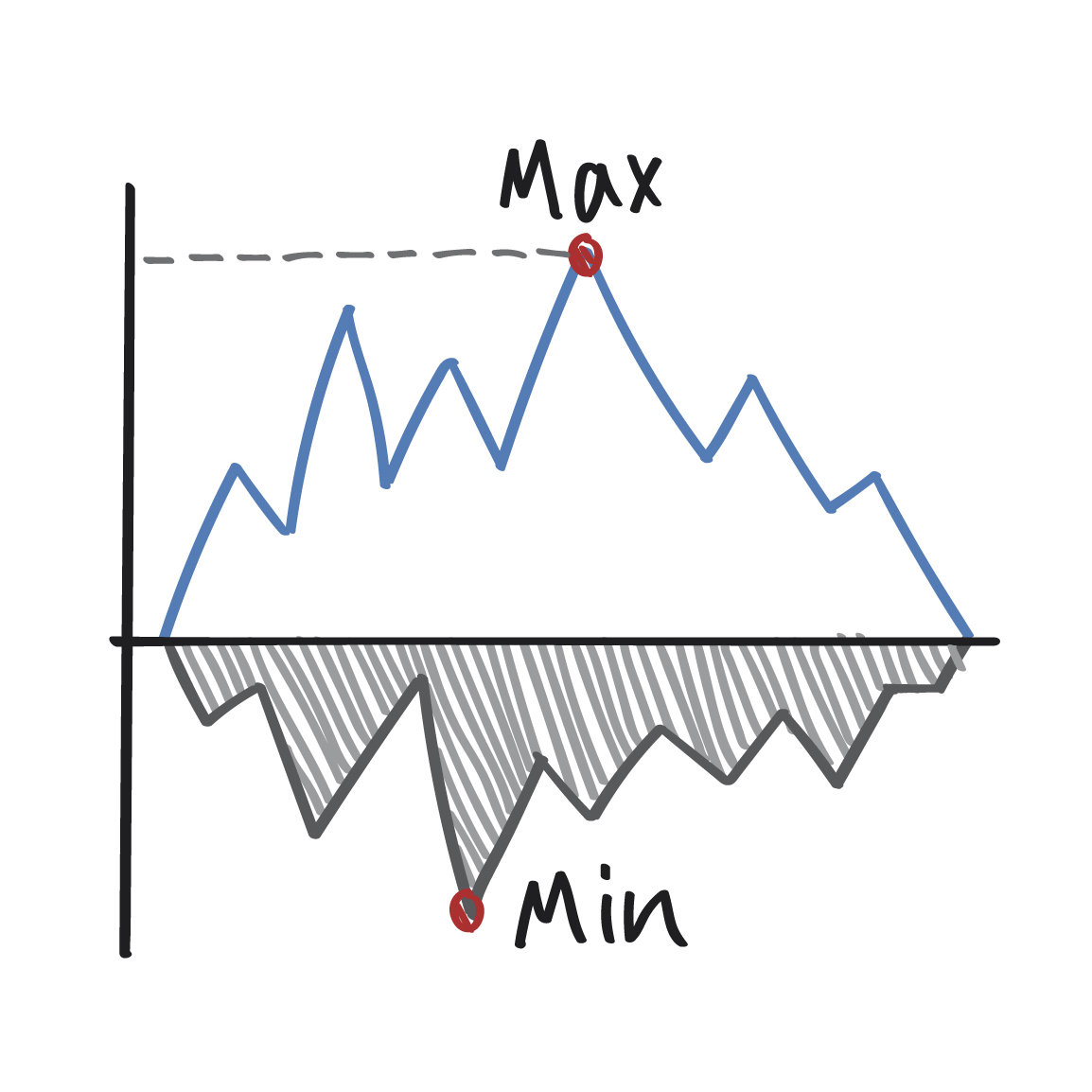

Credit Value at Risk

After completing this reading, you should be able to: Compare market risk value at risk (VaR) with credit VaR in terms of definition, time horizon, and tools for measuring them. Define and Calculate Credit VaR. Describe the use of rating…

More Details
Central Clearing 2

After completing this reading, you should be able to: Define a central counterparty (CCP) and describe the mechanics of central clearing. Explain the concept of novation under central clearing. Define netting, multilateral offset, and compression and provide examples of each….

More Details
Credit Risk Management

After completing this reading, you should be able to: Describe key elements of an effective lending or financing policy. Explain the importance and challenges of setting exposure and concentration limits. Describe the scope and allocation processes of a bank’s credit…

More Details
Credit Derivatives

After completing this reading, you should be able to: Describe a credit derivative credit default swap (CDS) total return swap and collateralized debt obligation (CDO). Explain how to account for credit risk exposure in valuing a CDS. Identify the default…

More Details
Sovereign Default Risk

After completing this reading, you should be able to: Identify and explain the different sources of country risk. Evaluate the methods for measuring country risk and discuss the limitations of using those methods. Compare and contrast foreign currency defaults and…

More Details
Credit Scoring and Rating

After completing this reading, you should be able to: Compare the credit scoring system to the credit rating system in assessing credit quality and describe the different types of each system. Distinguish between through-the-cycle and point-in-time credit rating systems. Describe…

More Details
Governance

After completing this reading, you should be able to: Define risk management responsibilities in an organization and explain the three lines of defense framework for effective risk management and control. Explain the processes that lead to risk-taking, including credit origination,…

More Details
Fundamentals of Credit Risk

After completing this reading, you should be able to: Define credit risk and explain how it arises using examples. Explain the distinctions between insolvency, default, and bankruptcy. Identify and describe transactions that generate credit risk. Describe the entities that are…

More Details
Climate-related Risk Drivers and their Transmission Channels

After completing this reading, you should be able to: Describe climate-related risk drivers and explain how those drivers give rise to different types of risks for banks. Compare physical and transition risk drivers related to climate change. Assess the potential…

More Details
The Credit Suisse CoCo Wipeout: Facts, Misperceptions, and Lessons for Financial Regulation

After completing this reading, you should be able to: Describe the features and mechanics of contingent convertible bonds (CoCos) and explain the rationale for banks to issue them. Explain the rescue of Credit Suisse by Swiss regulators in 2023 and…

More Details

Get Ahead on Your Study Prep This Cyber Monday! Save 35% on all CFA® and FRM® Unlimited Packages. Use code CYBERMONDAY at checkout. Offer ends Dec 1st.