


Things To Consider When Choosing a CFA ...
As simple as it sounds, selecting a good CFA exam tutor can be... Read More

The skills, knowledge areas and career use cases FRM is designed to build.
FRM is a specialized credential focused on financial risk. People usually look into it because they want clarity, confidence and direction in a risk-related career.
If you are considering it, you are probably asking a simple but important question. What are the real benefits of FRM certification and how does it actually help you at work? Let’s walk through what candidates genuinely gain from the FRM designation and why employers continue to respect it.
One of the biggest advantages of FRM certification is that it brings structure to a topic that often feels overwhelming. Many people working in finance pick up risk concepts in pieces. A model here, a report there, a regulation mentioned in a meeting. FRM Part 1 pulls everything together.
You start with core FRM curriculum topics like quantitative analysis, financial markets and products, valuation and the foundations of risk management. Instead of learning these topics in isolation, FRM shows you how they connect and why they matter together.
This foundation is valuable because risk jobs are rarely about one calculation. They are about understanding the full picture. FRM helps you see how numbers, markets and decisions interact, which is exactly what employers expect from someone working in risk.
Quantitative topics scare a lot of people. That is completely normal. One of the overlooked FRM certification benefits is how it teaches quantitative concepts in a practical, grounded way.
In FRM Part 1, you learn probability, statistics, regression and risk models with a clear purpose. The focus is not on doing math for its own sake. It is on understanding how risk is measured and interpreted in real situations.
This matters at work. You may be reviewing risk reports, stress tests or model outputs rather than building models yourself. FRM helps you understand where those numbers come from, what they mean and when to question them. These are essential FRM skills for risk management and they make you far more effective in meetings and decision-making.
This is where the benefits of FRM certification really stand out. FRM Part 2 is built around the exact risk areas employers care about.
You spend time on market risk, which looks at how interest rates, equities, currencies and volatility affect portfolios. This is critical for trading desks, treasury teams and asset managers.
Credit risk focuses on borrowers, counterparties, defaults, and exposure. These skills are central to lending, derivatives and counterparty risk roles.
Operational risk and resilience deal with failures that are not market-driven. Think systems breaking down, process errors, fraud or external disruptions. FRM teaches how institutions identify and control these risks.
Liquidity and treasury risk help you understand funding pressure and cash flow stress, which are major concerns during market shocks.
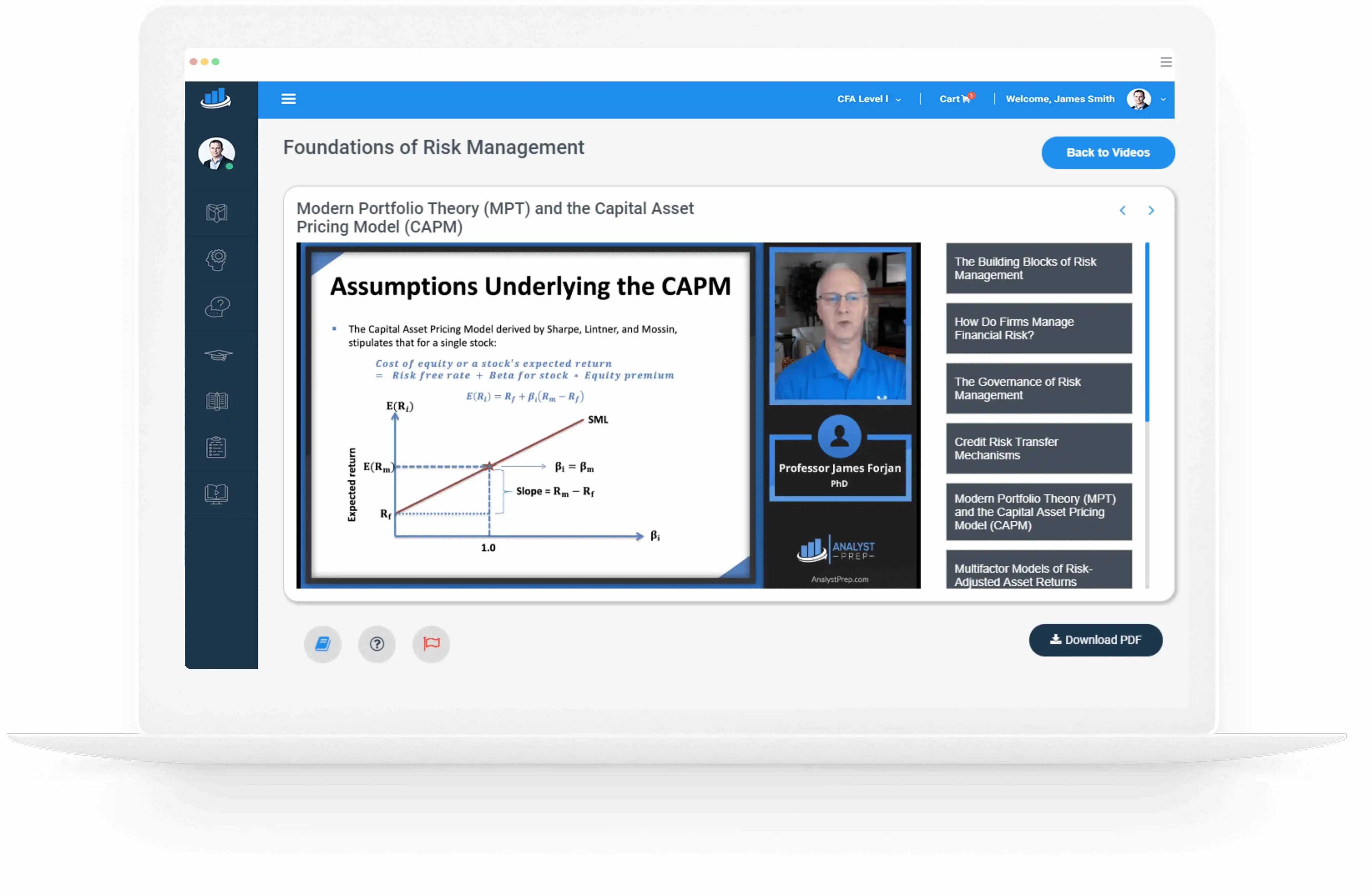
Investment risk management ties everything together by looking at how risk affects portfolio construction and performance.
Together, these topics explain what you learn in FRM Part 2 and why the designation aligns so closely with real risk jobs.
Risk management is not just technical. It is also about communication, structure and trust. Another key advantage of FRM certification is that it teaches you how risk teams talk about problems and solutions.
FRM covers governance, risk frameworks, controls and regulatory expectations in a practical way. You start to understand how risks are escalated, discussed in committees and monitored over time.
This is especially helpful if you want to work in banks, asset managers, consulting firms or regulatory environments. Speaking the same language as risk teams helps you contribute faster and build credibility early.
FRM has a reputation that is hard to explain until you see it firsthand. There is a quiet recognition that comes with it. Many hiring managers simply know what it represents.
The FRM designation benefits professionals because it signals focus. It shows that you chose a path and invested serious effort into learning risk properly. That matters in specialist hiring processes where general finance knowledge is not enough.
Whether you are early in your career or already working in finance, FRM can strengthen how others see your commitment to risk management.
The FRM certification benefits align naturally with several roles. These include risk analyst positions across banking and asset management, market risk analyst roles supporting trading and treasury teams and credit risk analyst roles focused on lending and counterparty exposure.
FRM certification for risk analyst roles is especially relevant because the curriculum mirrors day-to-day responsibilities. It is also valuable for operational risk professionals and regulatory or compliance analytics roles where technical understanding is essential.
FRM and CFA are often compared, but they serve different goals. FRM is risk-specialised, while CFA covers a broader investment-focused curriculum.
If your interests lean toward understanding, measuring, and managing financial risk, the advantages of FRM certification usually show up more directly. CFA may suit investment-focused careers, while FRM is built for risk-focused paths.
Knowing the benefits is helpful, but the real question is whether FRM fits your background, timeline and career goals.
We break that decision down clearly in a separate guide that helps you think through expectations and outcomes.
Read our full breakdown on whether the FRM is worth it for your career:
Is the FRM®Worth It for Your Career?
What are the benefits of FRM certification?
The benefits of FRM certification include structured risk knowledge, practical quantitative skills, deep exposure to core risk types, professional credibility and strong alignment with risk-focused roles.
What skills do you gain from FRM?
You gain FRM skills for risk management, such as risk measurement, model interpretation, governance awareness and applied understanding of different risk types.
What do you learn in FRM Part 1?
You learn quantitative analysis, financial markets and products, valuation concepts and the foundations of financial risk management.
What do you learn in FRM Part 2?
You learn applied risk topics such as market risk, credit risk, operational risk, liquidity risk and investment risk management.
What jobs value FRM the most?
Roles such as risk analyst, market risk analyst, credit risk analyst, operational risk professional and regulatory risk analyst value FRM the most.
Is FRM good for risk management?
Yes. FRM is specifically designed for professionals who want to work in financial risk management and build deep, practical expertise.
Prepare for FRM exams with structured study materials, guided learning, and focused practice across quantitative analysis and risk management concepts.
Offered by AnalystPrep
As simple as it sounds, selecting a good CFA exam tutor can be... Read More

The Executive Assessment (EA) online is a remote proctored version of the test-center-based... Read More
Get Ahead on Your Study Prep This Cyber Monday! Save 35% on all CFA® and FRM® Unlimited Packages. Use code CYBERMONDAY at checkout. Offer ends Dec 1st.