Are you planning to take the Financial Risk Manager (FRM) exam? Smart move. But here’s the thing: the FRM syllabus evolves every year and staying ahead of the changes is critical if you want to pass on the first attempt.
In this guide, we break down the 2026 FRM curriculum changes, highlight the key updates and explain exactly what they mean for your preparation strategy.
Regardless of whether you’re tackling FRM Part 1 or Part 2, this is your go-to FRM curriculum hub. We offer you actionable insights, detailed topic analysis and resources to help you study smarter, not harder.
You might wonder why GARP tinkers with the FRM syllabus each year. Here’s the reasoning:
Alignment with regulatory trends: Basel III/IV reforms and IOSCO updates require updated risk frameworks.
Technological evolution: Machine learning, AI, and digital resilience reshape how risk is measured.
Real-world relevance: Employers expect candidates to understand the application of concepts, not just formulas.
Market feedback: FRM exam data and feedback from past candidates drive curriculum refinements.
Simply put, the FRM 2026 syllabus is designed to reflect today’s risk landscape, not yesterday’s.
FRM Curriculum Changes for 2026 (Detailed Section)
FRM Part I — 2026 Curriculum Changes
Quantitative Analysis Updates:
Updated focus: Five LOs have been reworded.
Impact: Candidates who focus only on conceptual understanding or formula memorization may struggle. Success requires practical interpretation and analytical reasoning.
Overall Part I: The rest of Part I remains unchanged, so your overall (FRM Study Plan) stays steady, emphasizing real-world reasoning rather than memorization.
Topic Weight Comparison (2025 → 2026):
Topic
2025 Weight
2026 Weight
Change
Foundations of Risk Management
20%
20%
–
Quantitative Analysis
20%
20%
–
Financial Markets & Products
30%
30%
–
Valuation & Risk Models
30%
30%
–
Impact on Difficulty:
Slightly conceptual but now more applied; understanding risk tools in context is critical.
Exam questions may test interpretation, diagnostics, and scenario-based reasoning.
FRM Part II — 2026 Curriculum Changes
The real transformation happens in Part II, where readings increase from 104 → 107.
FRM Part II Updates (Readings and Books):
Swapped under Book 4: Liquidity Risk and Treasury Risk Management:
Managing and Pricing Deposit Services
Repurchase Agreements and Financing
Liquidity Transfer Pricing: A Guide to Better Practice
The US Dollar Shortage in Global Banking and the International Policy Response
Covered Interest Parity Lost: Understanding the Cross-Currency Basis
Risk Management for Changing Interest Rates: Asset-Liability Management and Duration Techniques
Reassigned: Illiquid Assets moved to Book 5 – Risk Management and Investment Management.
New readings added to Book 5:
Hedge Fund Investment Strategies
Risk, Regulation and Organizational Structure
Private Markets Investing
Distress Symptoms and Remedies
Madoff: A Riot of Red Flags
Market-Driven Scenarios: An Approach for Plausible Scenario Construction
Liquidity Risk Management
Current Issues Overhaul:
Advances in Artificial Intelligence: Implications for Capital Markets Activities
The Financial Stability Implications of Artificial Intelligence
The Global Drivers of Private Credit
Global Financial Stability Report
Tokenization and Financial Market Inefficiencies
Retained from 2025 CI readings:
Monetary and Fiscal Policy: Safeguarding Stability and Trust
Regulating the Crypto Ecosystem: The Case of Unbacked Crypto Assets
Digital Resilience and Financial Stability: The Quest for Policy Tools in the Financial Sector
Impact on Difficulty:
Part II is more analytical, forward-looking, and deeper than before.
Candidates must prepare for applied topics such as scenario construction, AI in finance, private markets, hedge fund strategies, and model validation.
Using outdated (FRM 2025 syllabus) or older study materials may leave significant gaps.
Focus on (FRM Part 2 new topics) for the 2026 exam.
How Do These Changes Affect Your Study Strategy?
What to Study First:
Prioritize new readings in Current Issues, Risk Management & Investment Management and Part II applied topics.
Review Part I Quantitative Analysis, focusing on applied interpretation, diagnostics, and scenario reasoning.
How to Allocate Study Time:
Adjust study time based on topic weighting:
Market Risk, Credit Risk, and Operational Risk receive increased attention
Current Issues now have higher exam relevance
Mock Exams & Practice Questions:
Focus your practice on scenario generation, model validation, AI in finance, and hedge fund strategies.
Use updated [mock exams page](Mock exams page) to mirror the 2026 exam style.
Detailed Breakdown of Each FRM Topic Area (2026 Edition)
Foundations of Risk Management (Part I):
No changes; focus remains on fundamental frameworks.
Quantitative Analysis:
Stationary Time Series
Financial Markets & Products:
No major changes; continue to master instruments and derivatives.
Valuation & Risk Models:
Core valuation techniques remain. Emphasis on applying them in real-world contexts.
Market Risk Measurement (Part II):
Focus on VAR, stress testing, and new scenario generation techniques.
Credit Risk Measurement:
Emphasis on AI impact and forward-looking risk metrics.
Operational Risk:
Cyber resilience, operational interdependencies, and scenario-based exercises now prominent.
Risk Management & Investment Portfolio:
Minor updates; focus on integration with advanced models.
Current Issues in Financial Markets:
AI, systemic risk, private credit, and digital fragmentation dominate.
Removed or Deprecated Topics (2025 → 2026)
Part I: None
Part II: Two readings from Liquidity Risk, three readings under Investment Management and six readings under Current Issues have been removed.
Reason: Concepts now embedded into more practical sections to reflect real-world application.
FRM Syllabus 2026 Study Resources
How AnalystPrep Keeps You in Control Curriculum changes only feel overwhelming when you lack clarity. AnalystPrep removes that pressure. Our refreshed 2026 prep resources include:
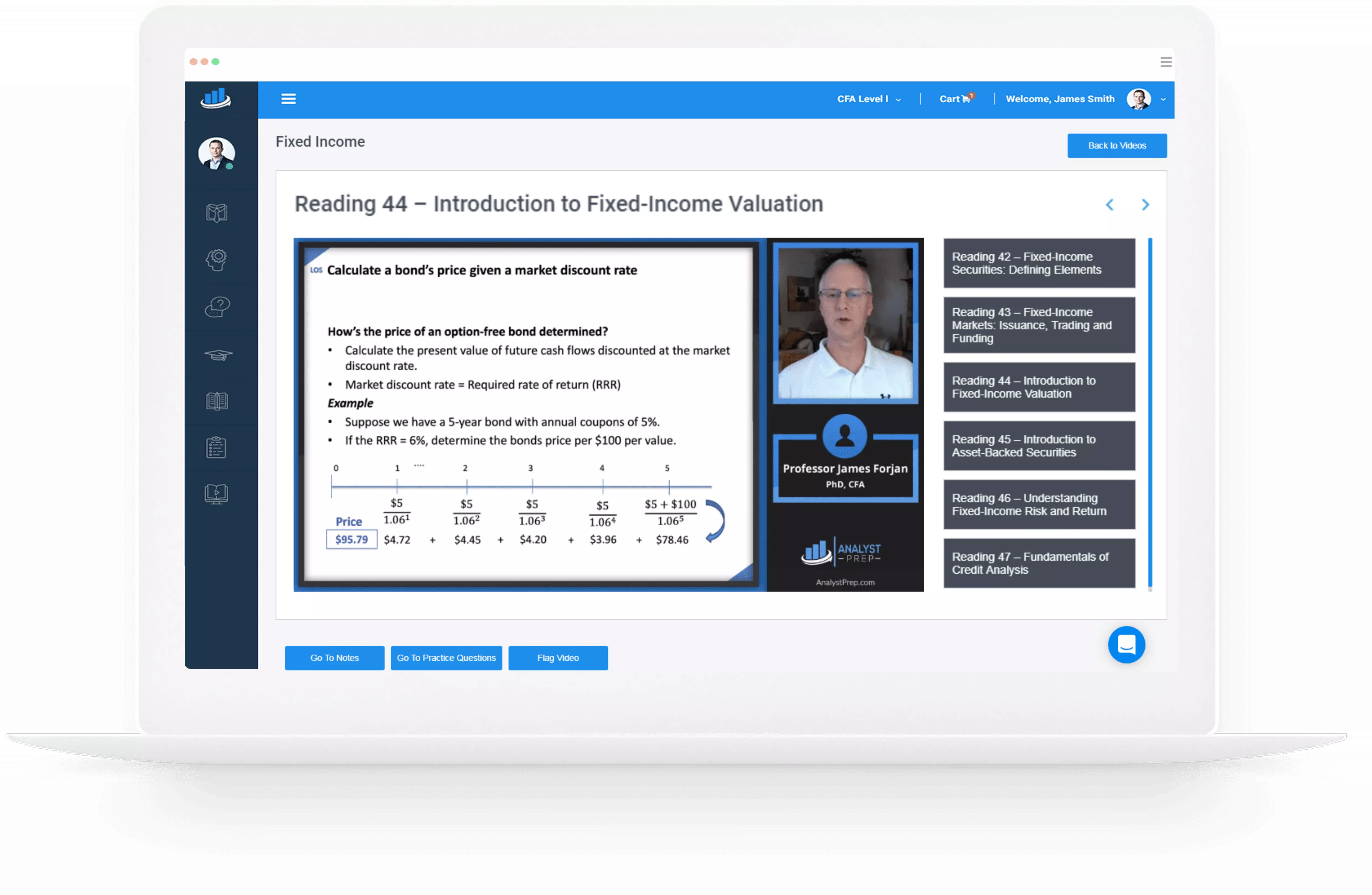
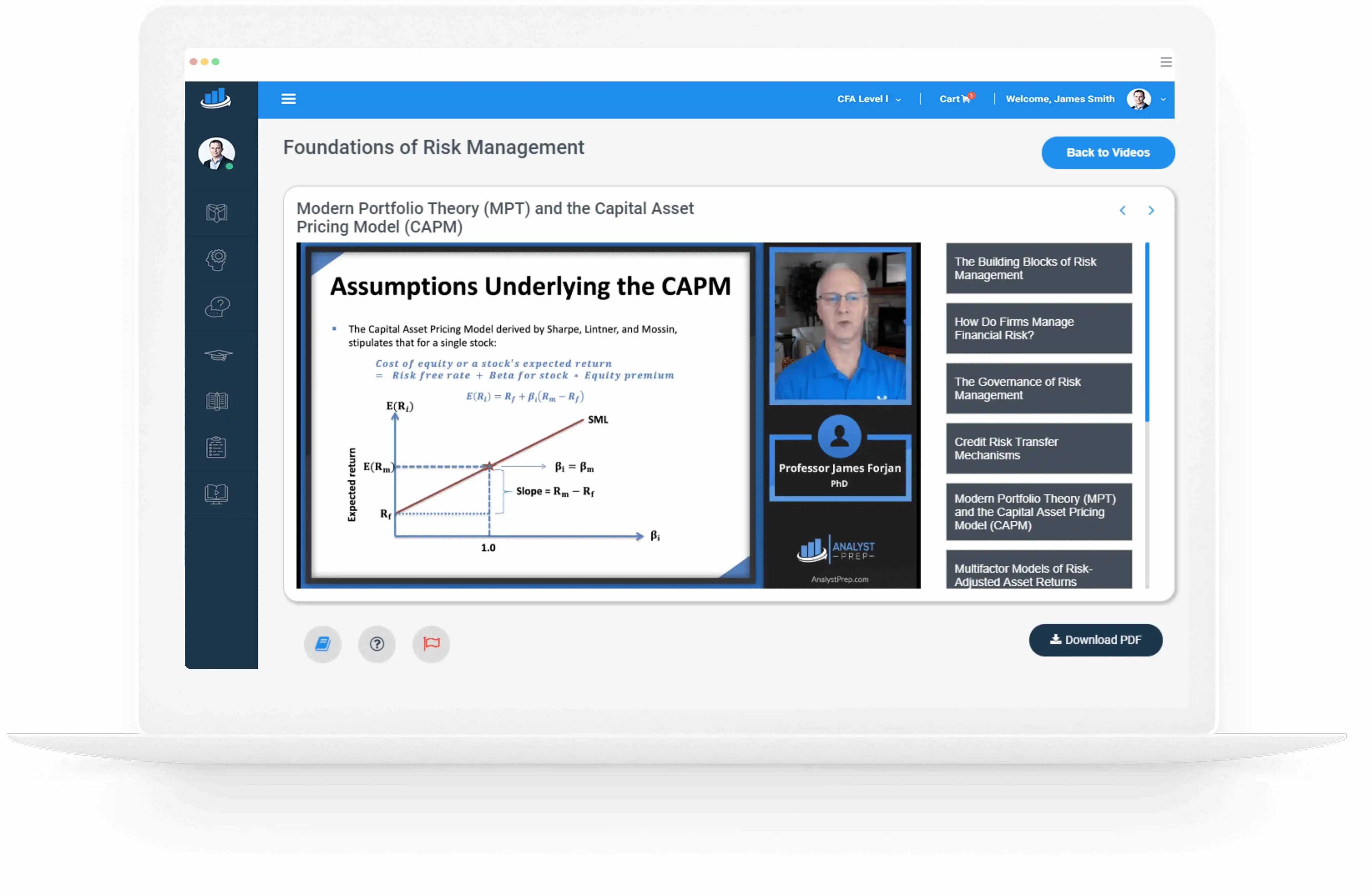
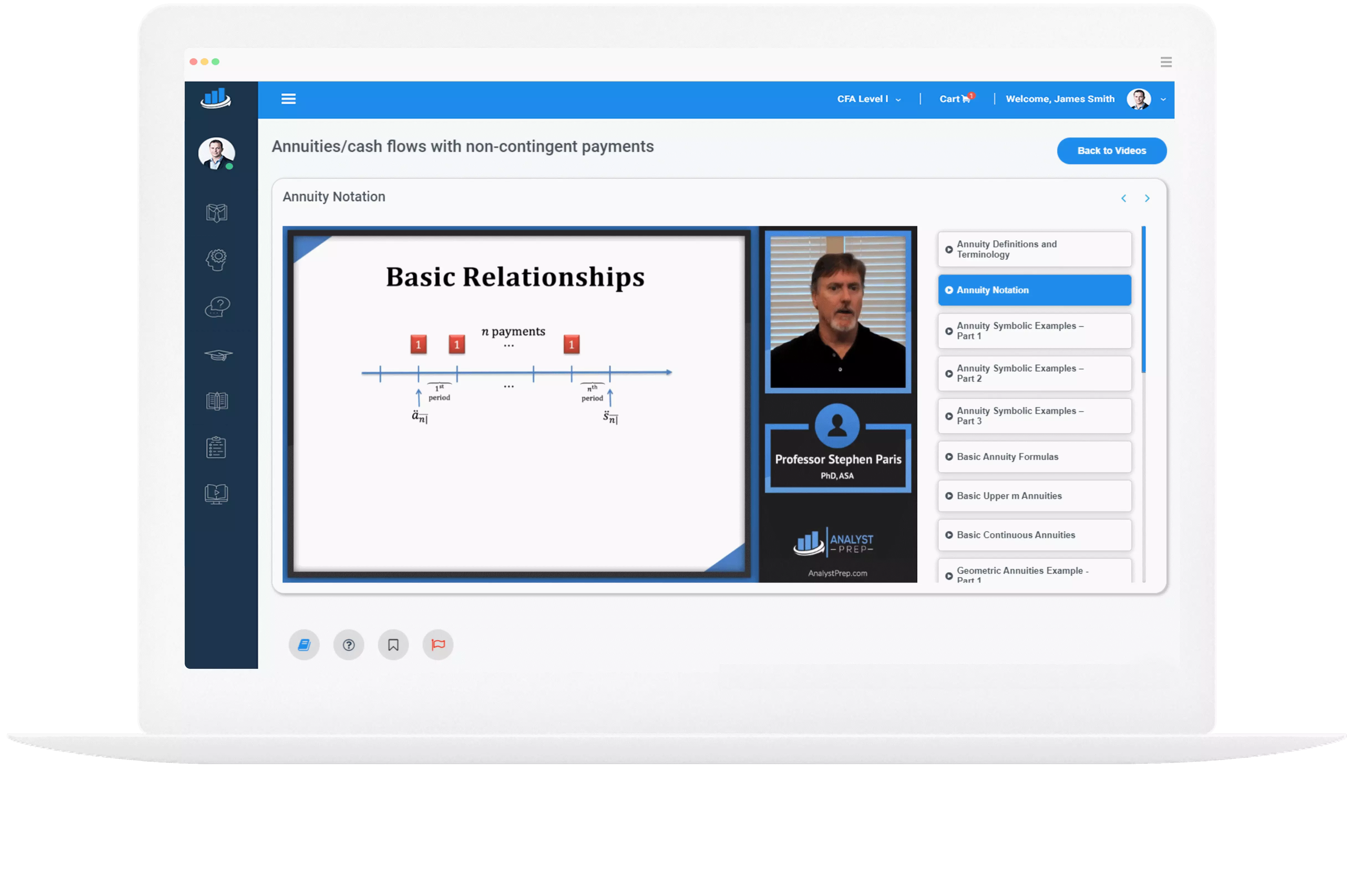
93+ hours of FRM Level 1 and FRM Level 2 Video Lessons covering every updated reading with clear explanations
Over 2,000 pages of Study Notes designed for quick comprehension of key topics
4,000+ Practice Questions aligned with revised FRM 2026 curriculum, FRM Part 1 new topics and FRM Part 2 new topics
Five full-length mock exams that reflect the 2026 structure and updated question styles
Every resource shows you what changed, why it changed, and how to adjust your preparation with accuracy.
Does the FRM syllabus change every year? Yes. FRM GARP updates happen annually to reflect market, regulatory and technological developments, ensuring candidates are tested on the most relevant topics.
What changed in the FRM syllabus for 2026? No major changes in Part I. Part II has major updates, including 7 new readings, revisions in Market, Credit, and Operational Risk, and a complete overhaul of Current Issues, reflecting FRM Part 2 new topics, AI, model validation, and systemic risk.
Are syllabus changes significant for Part I or Part II?
Part I: Minor; mostly conceptual and analytical.
Part II: Major, more analytical, AI-focused and forward-looking.
Will the 2026 FRM exam be harder because of the updates?
Part I: Difficulty similar, requiring applied understanding.
Part II: More complex due to new readings, model validation, AI, systemic risk and scenario construction.
Do I need new study materials if the syllabus changes? Yes, particularly for Part II. Using outdated resources may leave gaps in understanding the FRM new curriculum. AnalystPrep provides fully updated mock exams, study notes, and practice questions aligned with the 2026 syllabus.
Can I still use 2024 or 2025 books to study for 2026?
Part I: Yes, with minor adjustments.
Part II: Not recommended; using older books may miss important FRM 2025 changes and FRM part 2 new topics.
FRM eligibility changes GARP occasionally updates candidate requirements. For 2026, confirm your eligibility before enrolling, as eligibility changes may affect work experience, education prerequisites and compliance with the latest FRM GARP updates.
Key Takeaways
FRM Part I 2026: Mostly stable; focus on applied interpretation in Quantitative Analysis.
FRM Part II 2026: Major updates in Current Issues and Risk Management and Investment Management.
Study Smart: Use updated AnalystPrep materials, prioritize high-weight topics and practice mock exams reflecting 2026 changes.
Stay Ahead: Download the free FRM 2026 Syllabus PDF to plan your study efficiently.
With this guide, you now have the full FRM 2026 curriculum mapped out, actionable insights, and resources to confidently tackle the exam.
Get Ahead on Your Study Prep This Cyber Monday! Save 35% on all CFA® and FRM® Unlimited Packages. Use code CYBERMONDAY at checkout. Offer ends Dec 1st.