


Failed the CFA® Level 1 February Exam ...
If you just got your February 2026 CFA Level 1 results and saw... Read More

Most candidates beginning their CFA journey eventually run into the same dilemma.
Should you rely entirely on the official CFA Institute curriculum, or should you study using third-party prep providers?
This question appears repeatedly in candidate forums, Reddit threads and study groups. Some candidates swear by the official readings. Others say that third-party summaries saved them hundreds of study hours.
The truth is that both approaches have merit.
The official curriculum is the authoritative source for the exam. It defines what you are expected to learn and it contains the concepts that ultimately appear on test day. At the same time, the curriculum is extremely long and can be difficult to review efficiently when the exam approaches.
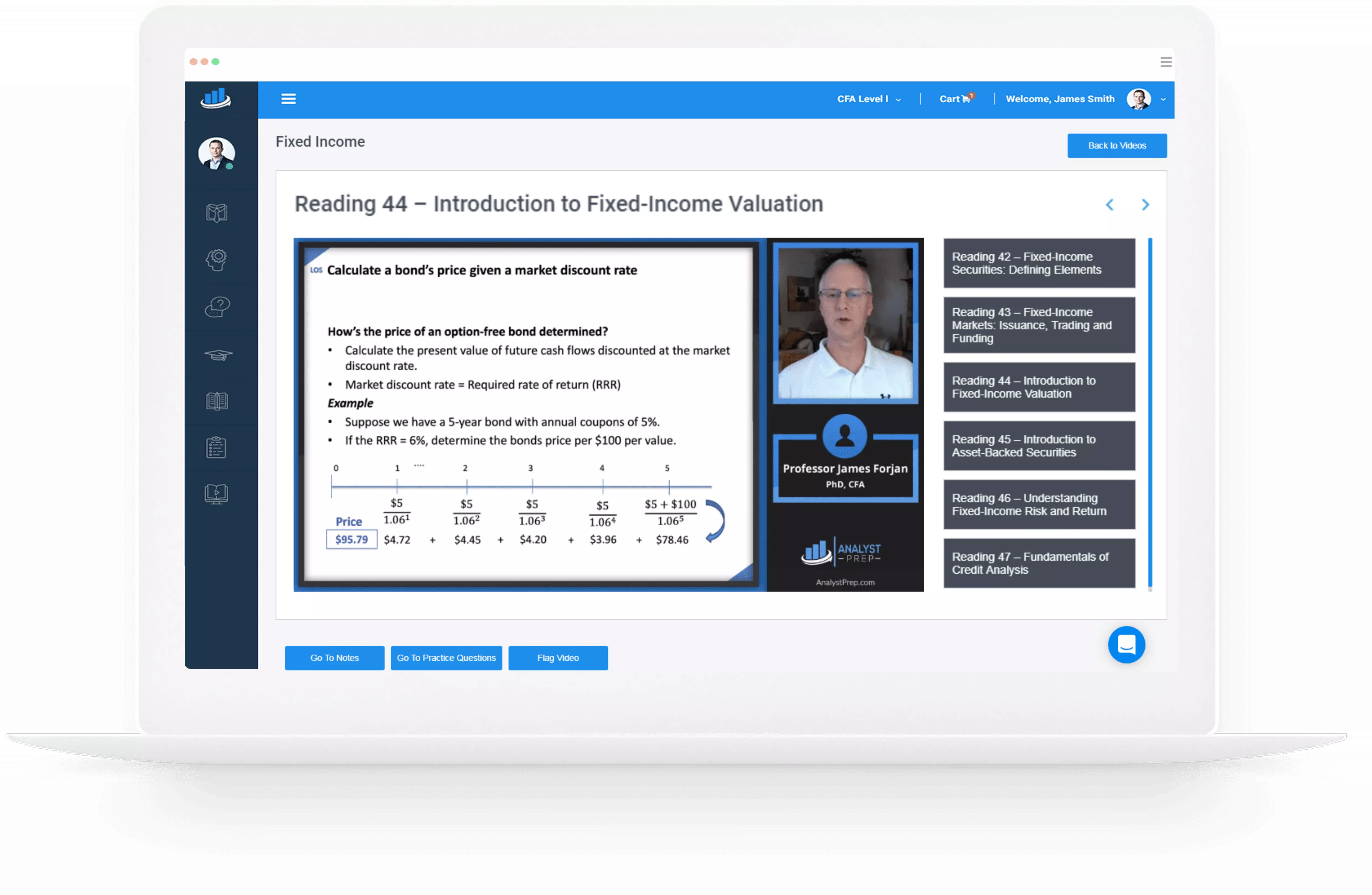
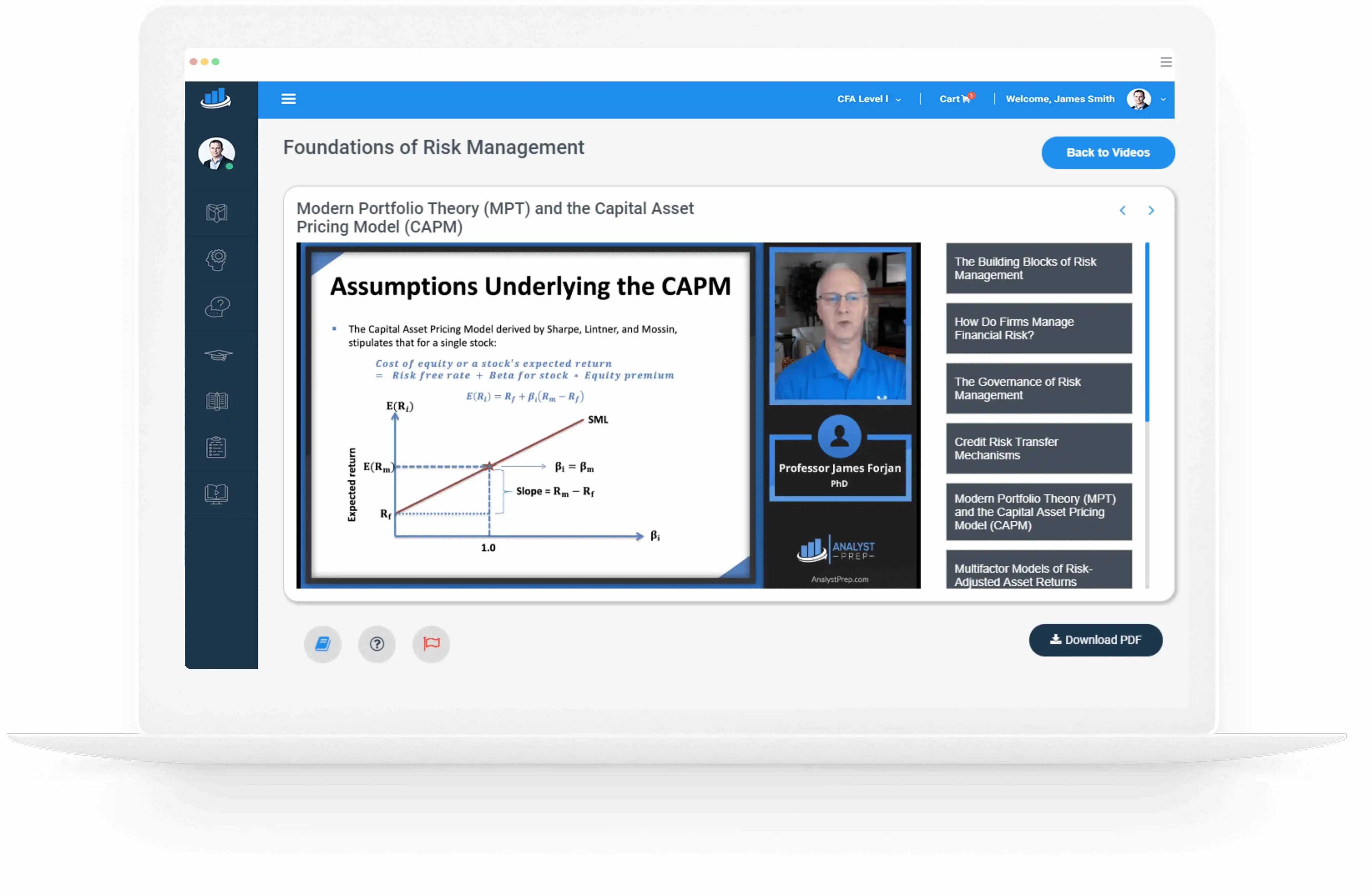
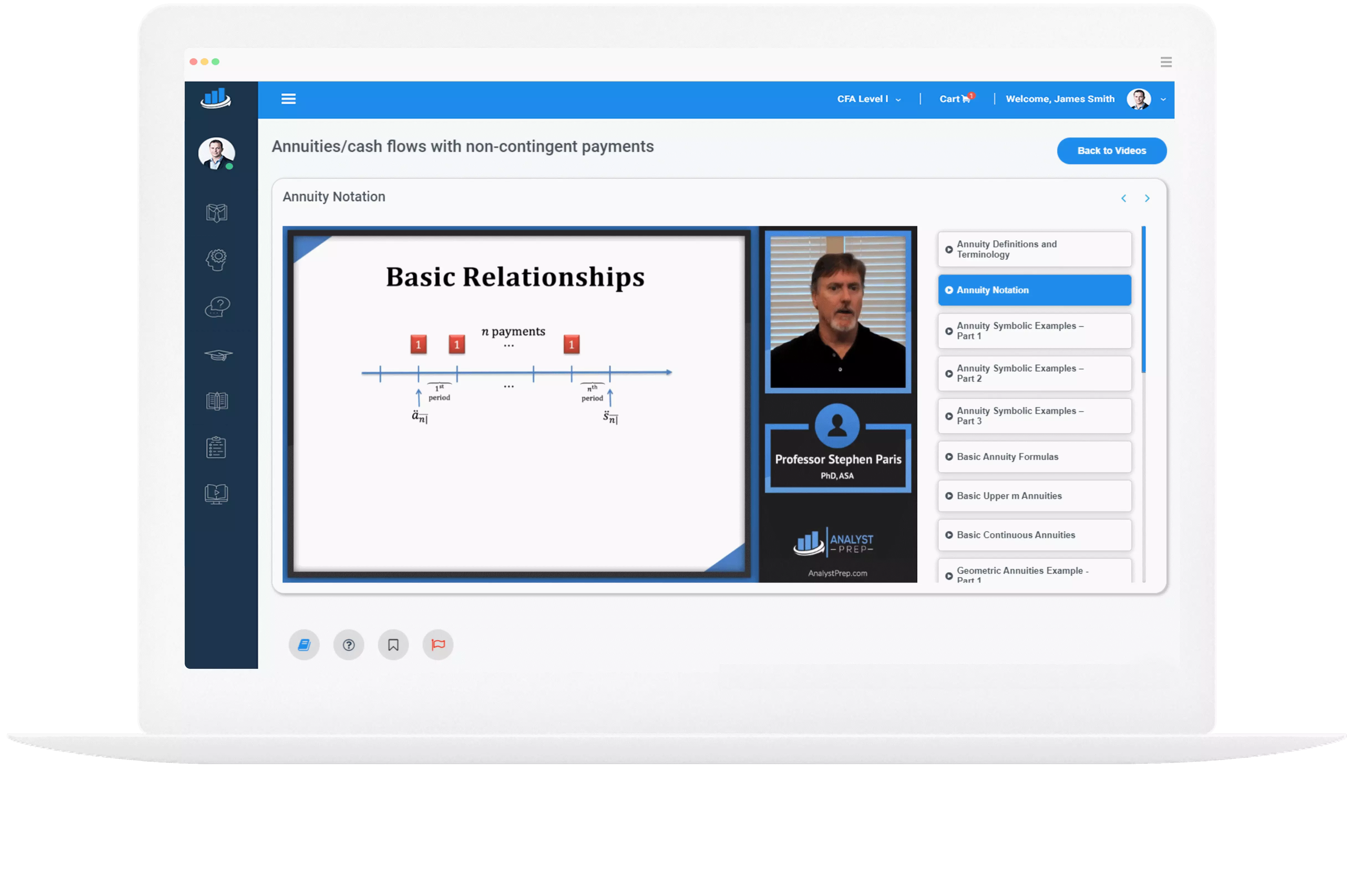
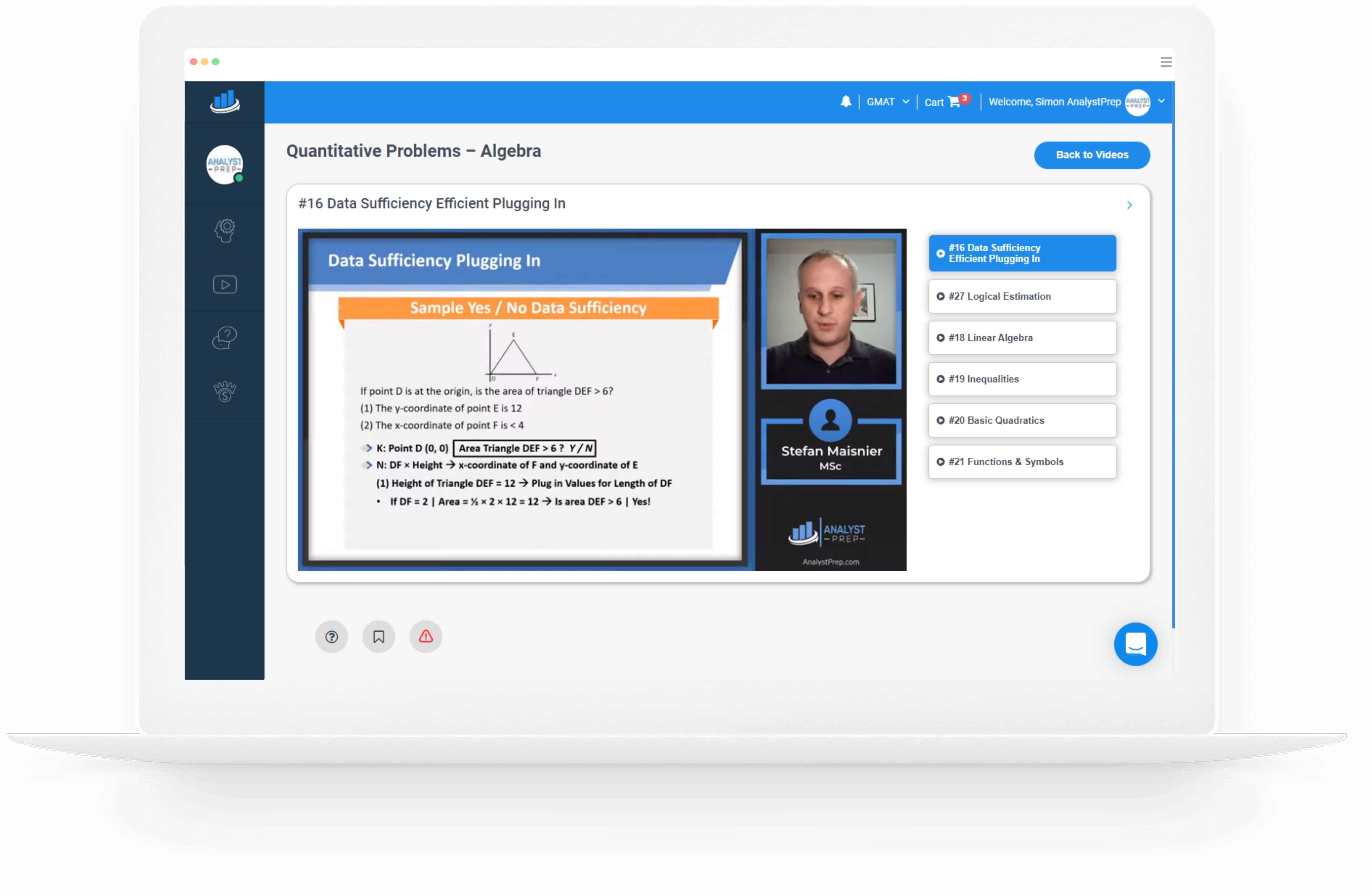
That is why many candidates turn to CFA study materials from external prep platforms. These resources often provide condensed explanations, structured study plans, practice questions and mock exams that make preparation more manageable.
Understanding the differences between the CFA Institute curriculum vs third party study resources can help you build a preparation strategy that improves both conceptual understanding and exam performance.
Let’s start with the official materials.
The CFA Institute curriculum is the official source of content for the CFA Program. Every topic that appears on the exam originates from these readings.
The curriculum is written and maintained by subject matter experts working with the CFA Institute. It is organized into digital modules that cover specific areas of the syllabus. Within each module, the material is guided by Learning Outcome Statements, commonly known as LOS. Each LOS clearly defines what you are expected to understand or apply after completing the reading.
The CFA Institute books are designed to provide full explanations of financial concepts, methodologies and analytical frameworks used by professionals in the investment industry.
Some of the defining features of the official curriculum include:
For candidates who want a deep understanding of financial concepts, the curriculum is an incredibly valuable resource.
Advantages of the CFA Curriculum
The biggest advantage of the official curriculum is accuracy. Since it is written by CFA Institute, it reflects exactly what the exam syllabus requires.
Studying directly from the curriculum ensures that you are learning concepts exactly as they are intended to be tested. There is no risk of misinterpretation or omission of key material.
Another benefit is the depth of explanation. Many topics are explored thoroughly with step-by-step illustrations and real-world applications.
For candidates who enjoy detailed academic explanations, this can significantly strengthen conceptual understanding.
Limitations of the CFA Curriculum
Despite its strengths, the official curriculum has one major drawback.
It is extremely long.
Each level of the CFA Program contains thousands of pages of material. Reading everything carefully can take an enormous amount of time.
Another challenge appears during revision. Because the content is so detailed, reviewing key topics quickly before the exam can be difficult.
This is where many candidates begin exploring third-party CFA prep providers.
Third-party CFA prep providers are independent companies that develop supplementary CFA study materials to help candidates prepare for the exam.
Some well-known providers include:
Each provider takes the official syllabus and converts it into structured learning resources designed to make studying more efficient.
Typical features offered by these platforms include:
Instead of presenting every detail found in the official readings, these providers focus on explaining the concepts that are most important for exam success.
Advantages of Third-Party Study Materials
One of the biggest benefits of using third-party resources is efficiency.
Many candidates find that summarized notes help them understand complex concepts faster than reading full textbook chapters.
Video lessons can also simplify difficult topics by walking through examples step by step.
Another advantage is exam-focused practice. Many prep providers include large question banks and mock exams that help you develop the problem-solving skills required on test day.
This is one reason comparisons such as Kaplan vs CFA Institute or Wiley CFA review frequently appear in candidate discussions.
Candidates are constantly searching for the best CFA study materials that help them practice effectively while saving time.
Potential Limitations
Despite their advantages, third-party materials are not perfect.
Because they summarize the curriculum, some minor details may be skipped. Most providers focus on concepts that are more likely to appear on the exam.
This does not necessarily mean the material is incomplete. However, the level of detail may not match the depth of the official CFA Institute books.
Understanding this trade-off is important when deciding how to structure your preparation.
When comparing the CFA Institute curriculum vs third-party study resources, several clear differences emerge.
| Feature | CFA Institute Curriculum | Third-Party Providers |
| Depth | Very detailed | Summarized |
| Length | Very long | Condensed |
| Exam focus | Conceptual | Exam-oriented |
| Practice questions | Limited | Extensive |
| Study efficiency | Slower | Faster |
The official curriculum emphasizes complete conceptual explanations. Third-party providers focus on helping candidates learn and practice more efficiently.
This difference explains why many candidates explore multiple options when making a CFA prep providers comparison.
A common question candidates ask is simple.
Is the official curriculum enough to pass the CFA exam?
The short answer is yes.
Many candidates successfully pass the exams using only the official materials provided by CFA Institute. The curriculum contains every concept that can appear on the exam.
However, the challenge is not availability of information. The challenge is time.
Because the curriculum is so extensive, reviewing the material efficiently becomes difficult, especially during the final weeks before the exam.
This is why many candidates eventually supplement their preparation with external CFA study materials.
These resources can help you:
For candidates managing demanding work schedules, these tools often make preparation significantly more manageable.
Another concern candidates often raise is whether third-party summaries compromise conceptual understanding.
Some students worry that condensed notes might skip important concepts.
In reality, high-quality third-partyCFA prep providers do much more than simply shorten the readings.
Many platforms provide:
The goal is not to replace the official curriculum but to make the learning process more efficient.
Most providers simplify topics without removing the underlying concepts. This allows candidates to understand the material faster while still developing the analytical skills required for the exam.
Because of this balance, many candidates combine both approaches when deciding should I use CFA Institute curriculum or external prep resources.
For many candidates, the most effective preparation strategy is not choosing one option over the other.
It is combining both.
The official curriculum provides the deepest explanation of financial concepts. Third-party platforms provide tools that help you learn and practice more efficiently.
A common workflow looks something like this:
First, candidates use summarized notes from prep providers to understand the core ideas quickly.
Next, they refer back to the CFA Institute books when a concept requires deeper explanation.
After building a foundation, candidates focus heavily on practice questions and mock exams.
This approach helps balance three essential elements of CFA preparation:
It is one of the most widely recommended strategies in any CFA prep providers comparison discussion.
If you are wondering how to structure your preparation, a balanced strategy often works best.
Start by learning the core concepts using summarized CFA study materials. Condensed notes and video lessons can help you grasp the big ideas quickly.
Once the concepts are clear, reinforce your understanding by reviewing selected examples from the official curriculum. The explanations found in the CFA Institute readings can clarify difficult topics.
Next, focus heavily on practice.
Working through large volumes of questions is one of the most effective ways to develop exam readiness. Practice questions expose gaps in your understanding and improve your problem-solving speed.
After building confidence with practice questions, begin taking full-length mock exams under timed conditions. This step helps you simulate the actual exam environment and refine your time management.
Finally, review your weak areas carefully. Identify topics where mistakes occur frequently and revisit the concepts until they become clear.
This type of structured preparation often leads to more consistent exam performance.
The debate surrounding CFA Institute curriculum vs third-party study materials is unlikely to disappear anytime soon.
The official curriculum remains the most complete and authoritative source of CFA exam content. It provides detailed explanations and ensures that you are studying material that aligns exactly with the syllabus.
At the same time, third-party CFA study materials help candidates study more efficiently. Condensed notes, structured lessons, large question banks and mock exams can dramatically improve practice and revision.
For many candidates, the most effective approach is combining both resources.
Use the official curriculum for depth. Use prep providers for efficiency and exam-focused practice.
If you are looking for tools that support this balanced strategy, you may find it helpful to explore resources such as:
With the right combination of conceptual learning and focused practice, you can build a preparation strategy that supports both deep understanding and strong exam performance.
Is CFA Institute curriculum enough?
Yes, the CFA Institute curriculum is technically enough to pass the CFA exam. It is the official source of all exam content and every concept that can appear on the test originates from the curriculum.
Many candidates do successfully pass the exam using only the official CFA Institute books. The readings are detailed, carefully structured and aligned directly with the Learning Outcome Statements that define the syllabus.
However, the biggest challenge candidates face is not whether the material is sufficient. It is whether they can realistically study and review such a large volume of content efficiently.
Because the curriculum is extremely long, reviewing key topics quickly before the exam can be difficult. For this reason, many candidates supplement the official readings with CFA study materials from third-party providers. These materials often summarize the most important concepts and provide extensive practice questions that help reinforce learning.
In other words, the curriculum alone can be enough. But many candidates find that combining it with additional study tools makes preparation far more manageable.
Should I use Kaplan or CFA Institute books?
This is one of the most common questions candidates ask when evaluating the CFA Institute curriculum vs third-party study materials.
The Kaplan Schweser notes are widely known for condensing the official readings into shorter, exam-focused summaries. Many candidates prefer these materials because they save time and highlight the concepts most likely to appear on the exam.
On the other hand, the official CFA Institute books provide the most complete explanation of the syllabus. They include detailed examples, case studies and conceptual discussions that sometimes go beyond what is found in summarized notes.
When candidates debate Kaplan vs CFA Institute, the difference usually comes down to depth versus efficiency.
The curriculum offers depth and completeness. Kaplan and other prep providers offer efficiency and structured exam preparation.
For many candidates, the most effective strategy is to use both. Summarized notes can help you understand the key ideas quickly, while the official readings can clarify more complex concepts when necessary.
Are third-party CFA prep providers reliable?
Yes, many third-party CFA prep providers are highly reliable and have helped thousands of candidates prepare for the exam.
Well-established providers such as Wiley Efficient Learning, Kaplan Schweser, Mark Meldrum, and AnalystPrep build their materials directly around the official curriculum published by CFA Institute.
These platforms carefully study the syllabus and Learning Outcome Statements before designing their content. Their goal is to help candidates understand the same concepts while making the learning process more structured and efficient.
In addition, many prep providers invest heavily in question banks, mock exams and analytics that help candidates track their performance across different topics.
When conducting a CFA prep providers comparison, candidates often focus on factors such as the quality of practice questions, the clarity of explanations and the structure of the study plan.
Reliable prep providers usually excel in these areas.
Do third-party CFA prep providers skip important concepts?
Third-party prep providers typically summarize the curriculum rather than reproduce it word for word.
Because of this, some minor details from the official readings may be condensed or simplified. However, reputable providers rarely skip the core concepts that are most relevant for the exam.
Their goal is to make studying more efficient, not to remove essential material.
High-quality CFA study materials usually include clear explanations, worked examples, conceptual videos and large question banks that reinforce the key topics tested on the exam.
Still, many candidates prefer to combine summarized notes with the official CFA Institute books. When a concept feels unclear or incomplete, referring back to the original reading can provide additional depth and clarity.
This hybrid approach helps candidates balance efficiency with a strong conceptual foundation. It is one of the most widely recommended strategies when evaluating the best CFA study materials for exam preparation.
Combine clear explanations, structured practice, and focused revision to improve your exam performance.
Offered by AnalystPrep






If you just got your February 2026 CFA Level 1 results and saw... Read More

The CFA exam pass rate is not high since aside from being challenging,... Read More

Get Ahead on Your Study Prep This Cyber Monday! Save 35% on all CFA® and FRM® Unlimited Packages. Use code CYBERMONDAY at checkout. Offer ends Dec 1st.
