Derivatives
Why Forward and Futures Prices Differ
Forward and futures contracts share similar features; however, how they are traded and the resulting cash flows mean forward and futures contracts with the same underlying asset may trade at a different price. Causes of Differences 1. Mark-to-Market (MTM), Margining,…
Interest Rates Forward Contracts
The link between the spot and forward prices is determined by a risk-free interest rate which is regarded as the opportunity cost of holding an asset. Term structure implies that various interest rates are available depending on the time to…
Price and Value of Forward Commitments
The price of a forward commitment is agreed upon at the contract’s initiation and remains fixed until the contract’s maturity. Moreover, the price is also used in determining the basis on which the underlying will be traded in the future…
Use of Derivatives among Issuers
Financial intermediaries, investors, and issuers use derivative products to increase, reduce, or alter their exposure to an underlying to achieve their financial goals. With the development of derivatives accounting, these instruments are now reported on the balance sheet at their…
Benefits of Derivative Instruments
Benefits 1. Risk Allocation, Transfer, and Management Derivative instruments allow allocation, transfer, and management of risks without trading an underlying. The information on cash or spot market prices for financial instruments, goods, and services may assist an investor or issuer…
Forward Commitments vs. Contingent Claims
Derivatives typically fall into two classes: forward commitments or contingent claims. The primary difference between the two is based on rights and obligations. Forward commitments carry an obligation to transact, whereas contingent claims confer the right to transact but not…
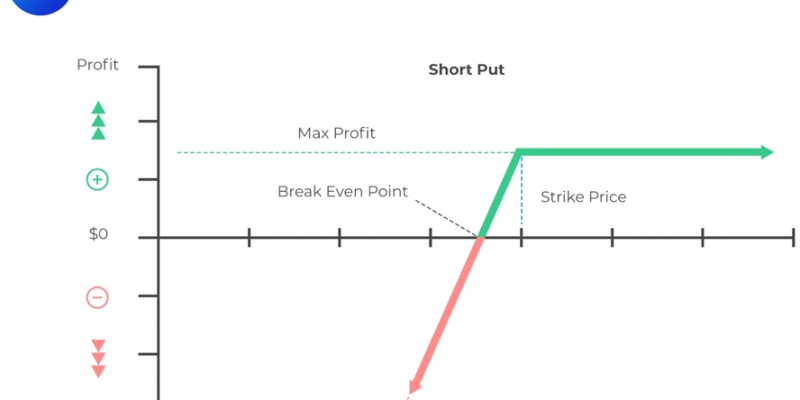
Determining the Value at Expiration and Profit from a Long or a Short Position in a Call or Put Option
Define the following: \(c_T =\) Value of the call at expiration. \(p_T =\) Value of a put option at expiration. \(S_T =\) Price of the underlying at time T. \(X =\) Exercise price. \(c_0=\) Call option premium. \(p_0 =\) Put…
Basic Features of Derivative Markets
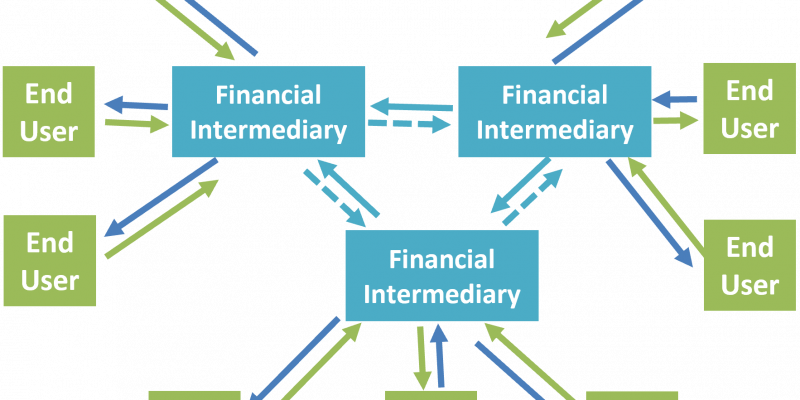
Over-the-Counter (OTC) Derivative Markets OTC derivative markets can be formal institutions such as NASDAQ or an information connection of parties who buy from and sell to one another. In OTC derivative markets, derivatives end-users enter contracts with dealers or a…
Forward Contract
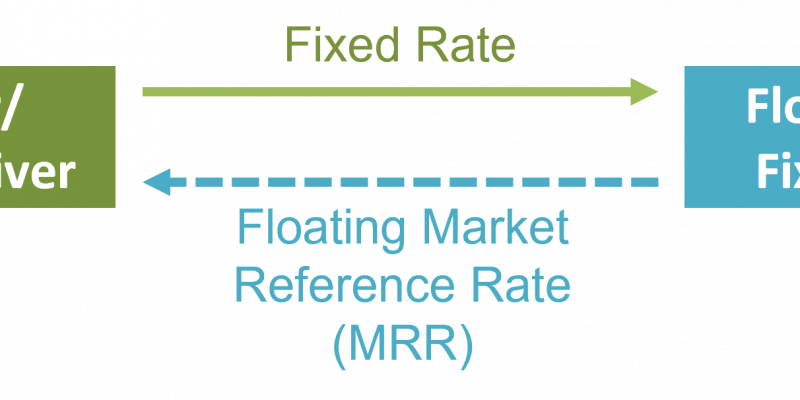
A forward contract is an over-the-counter (OTC) derivative contract. In this contract, two parties agree that one party, the buyer (long), will purchase an underlying asset from the other party, the seller (short), at a later date at a fixed…